
About us
MillenniumPorcelainCapital:Jingdezhen,World-renowned
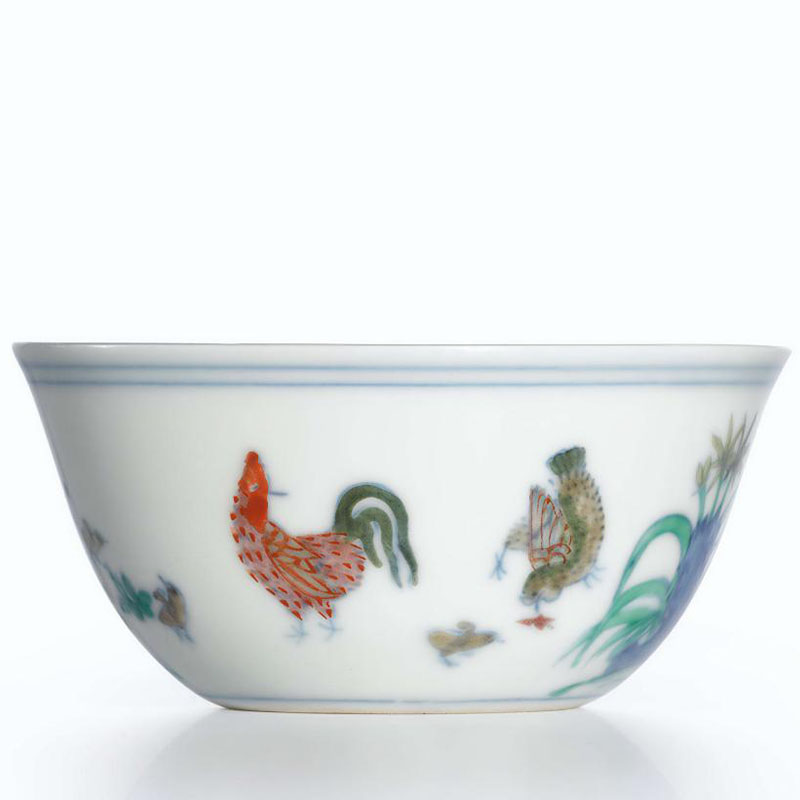
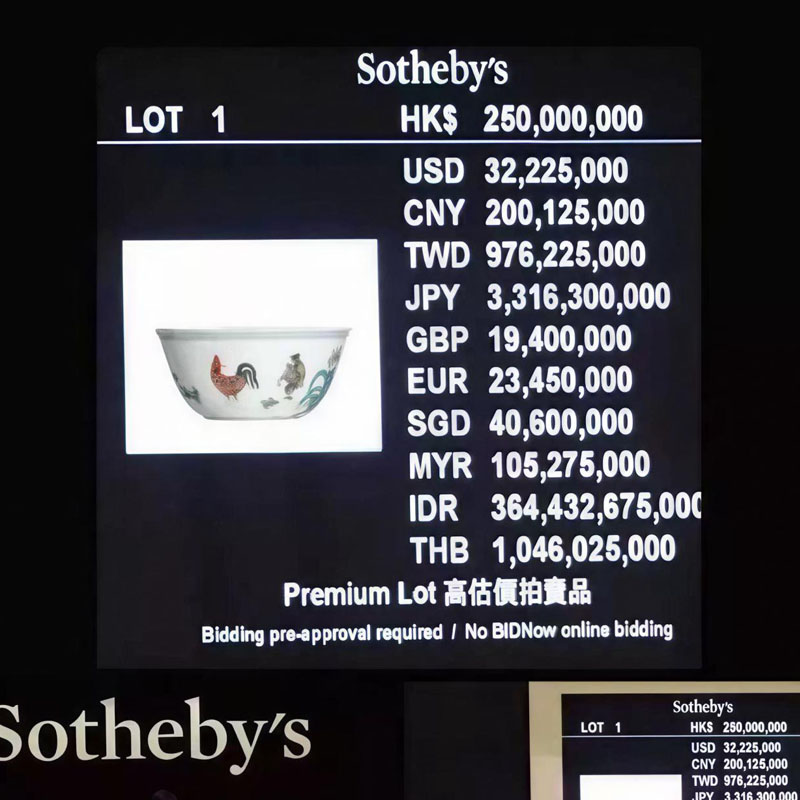
In 2014, at the Sotheby’s Spring Auction in Hong Kong, a porcelain piece from Jingdezhen—a Ming Chenghua doucai “Chicken Cup”—was sold for $32,225,000 USD, setting a new auction record for Jingdezhen ceramics. Even after centuries, the cup’s colors remain vibrant, its form dignified and elegant, and its simple yet profound charm continues to tell the story of Jingdezhen’s porcelain-making history.
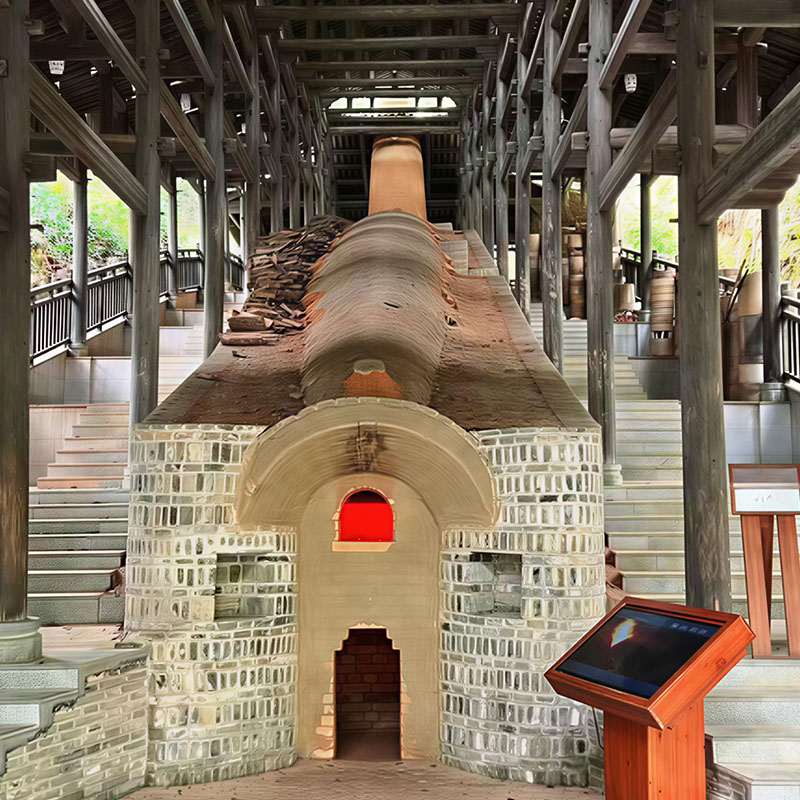
Jingdezhen boasts over two thousand years of pottery history, a thousand-year legacy of official kilns, and more than six centuries of imperial kiln heritage. This city is the cradle of porcelain and a core force in shaping global ceramic civilization. From a regional handicraft kiln district, it evolved into the world’s first truly global center of ceramic manufacturing and art, profoundly influencing technology, aesthetics, trade, and daily life across continents. Since 1004 AD, Jingdezhen earned its name when porcelain presented to the royal court stood out for its exceptional quality, and the city was bestowed the name “Jingde Town” after the Jingde era. Its iconic Qingbai (bluish-white) porcelain—gleaming with white amidst pale blue, warm as jade, and highly translucent—became the benchmark for high-end ceramics worldwide.
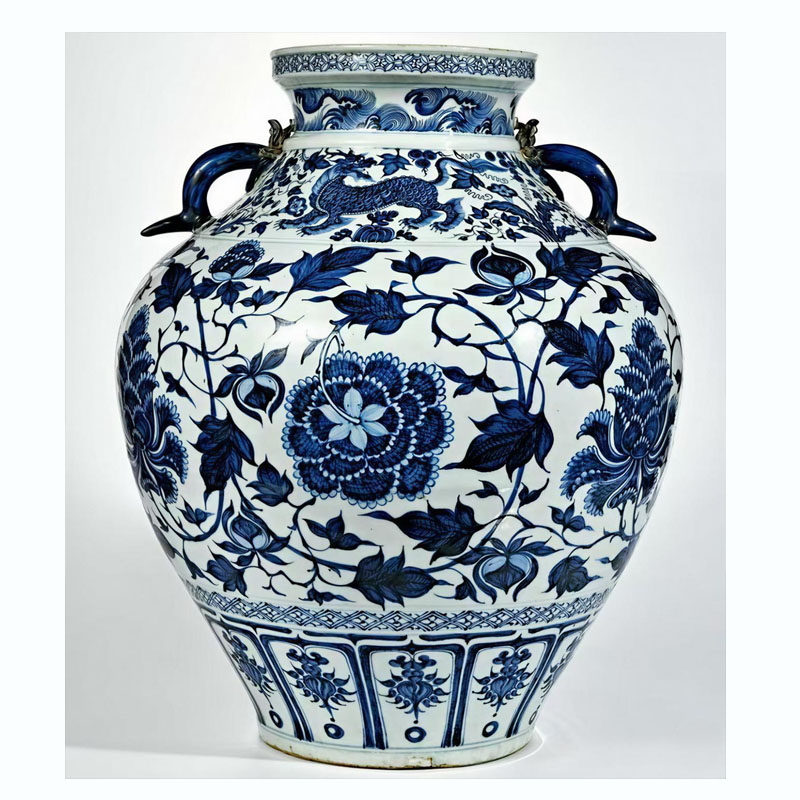
Jingdezhen’s unique dual formula of kaolin and porcelain stone marked a milestone in the history of materials. Seven hundred years ago, the cobalt blue pigment “Sumaliqing” from the Arabian Peninsula journeyed across great distances to Jingdezhen, where it combined perfectly with the local kaolin, giving birth to a masterpiece in ceramic history: Yuan dynasty blue-and-white porcelain.
Before this, hard porcelain with high temperature resistance, high whiteness, and high translucency was almost unique to this region. These technologies, spread through trade and exchange, became the universal technical language of the world’s high-end porcelain industry. Its high-temperature kilns, underglaze painting systems, and refined forming techniques remain the foundation of modern ceramics today. Historians believe that Jingdezhen blue-and-white porcelain from the 16th to 18th centuries was the world’s first truly global consumer product. Since the Song dynasty, Jingdezhen porcelain has been the flagship commodity of maritime trade along what became known as the “Ceramic Road.” Underwater archaeological finds such as the Nanhai No.1, Huaguang Reef No.1, and the Sinan shipwreck confirm that its porcelain reached Asia, Africa, and Europe. Between the 16th and 18th centuries, approximately 300 million pieces of Jingdezhen porcelain entered Europe, becoming treasures for European nobility.
Jingdezhen developed a “global design mindset” early on: Yuan blue-and-white porcelain incorporated West Asian metalware shapes and geometric aesthetics; export wares like Kraak porcelain and armorial porcelain were custom-made for European markets. Jingdezhen absorbed foreign elements while exporting its own technology and aesthetics, becoming a model of early cross-cultural collaboration. Today, Jingdezhen remains a “living heritage city.” Its traditional craftsmanship is fully preserved as intangible cultural heritage, while also merging with modern design. It continues to attract artists, designers, and scholars from around the world, serving as a bridge between tradition and innovation.
Before this, hard porcelain with high temperature resistance, high whiteness, and high translucency was almost unique to this region. These technologies, spread through trade and exchange, became the universal technical language of the world’s high-end porcelain industry. Its high-temperature kilns, underglaze painting systems, and refined forming techniques remain the foundation of modern ceramics today. Historians believe that Jingdezhen blue-and-white porcelain from the 16th to 18th centuries was the world’s first truly global consumer product. Since the Song dynasty, Jingdezhen porcelain has been the flagship commodity of maritime trade along what became known as the “Ceramic Road.” Underwater archaeological finds such as the Nanhai No.1, Huaguang Reef No.1, and the Sinan shipwreck confirm that its porcelain reached Asia, Africa, and Europe. Between the 16th and 18th centuries, approximately 300 million pieces of Jingdezhen porcelain entered Europe, becoming treasures for European nobility.
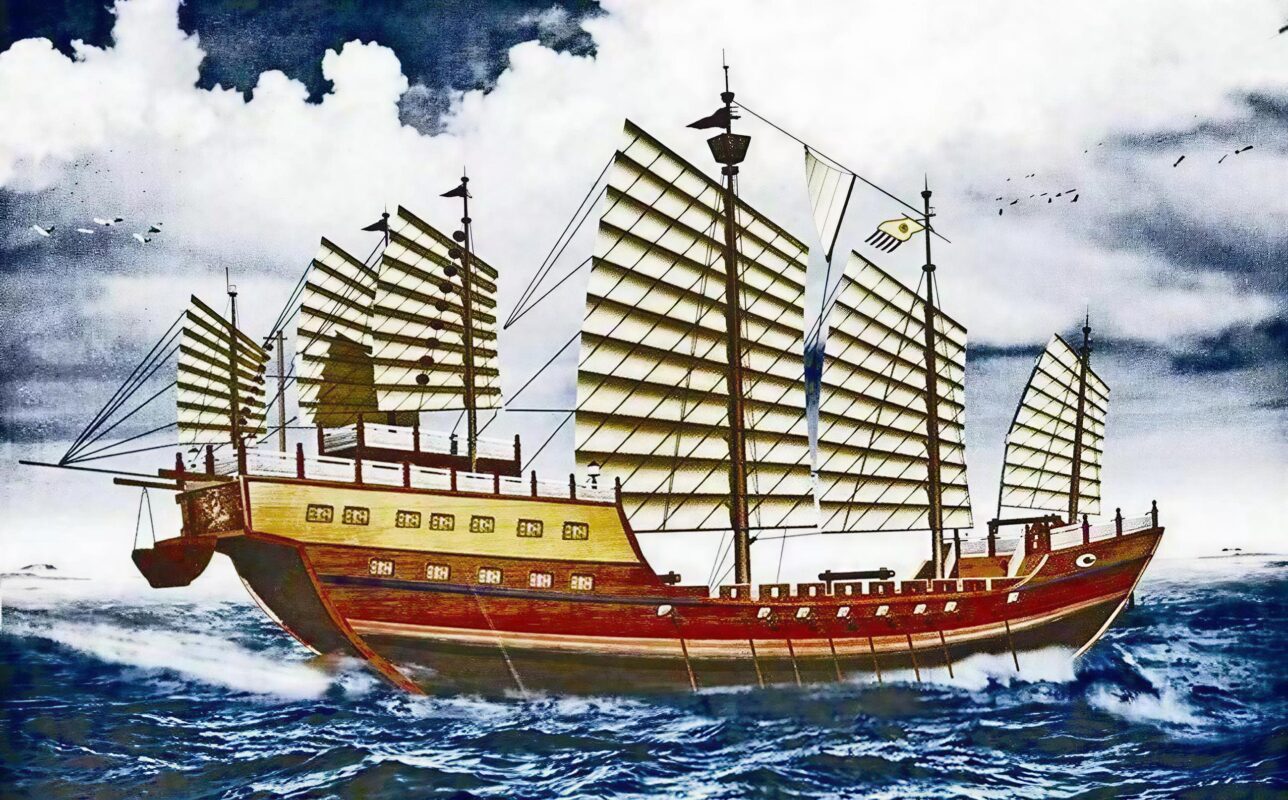
Jingdezhen developed a “global design mindset” early on: Yuan blue-and-white porcelain incorporated West Asian metalware shapes and geometric aesthetics; export wares like Kraak porcelain and armorial porcelain were custom-made for European markets. Jingdezhen absorbed foreign elements while exporting its own technology and aesthetics, becoming a model of early cross-cultural collaboration. Today, Jingdezhen remains a “living heritage city.” Its traditional craftsmanship is fully preserved as intangible cultural heritage, while also merging with modern design. It continues to attract artists, designers, and scholars from around the world, serving as a bridge between tradition and innovation.
About us
Jinglaze is a team of handcrafted porcelain artists based in the millennium-old porcelain capital of Jingdezhen. We are a group of friends who love handicrafts, ceramics, and creativity, gathering the finest creators and their works that Jingdezhen has to offer. Our mission: To share the warmth of Jingdezhen’s thousand-year porcelain culture with everyone it touches, and to bring handcraft refined over millennia into everyday life. While upholding traditional craftsmanship, we continuously innovate in form and subject matter so our pieces can better integrate into contemporary living. Our principles:
- Insist on hand-thrown pottery
- Insist on 100% hand painting
- Insist on high-temperature firing
- Insist on sustainable production
Each unique porcelain piece exists because of your appreciation. We thank all ceramics enthusiasts for your support; we remain true to our original aspirations and will keep moving forward with determination.